


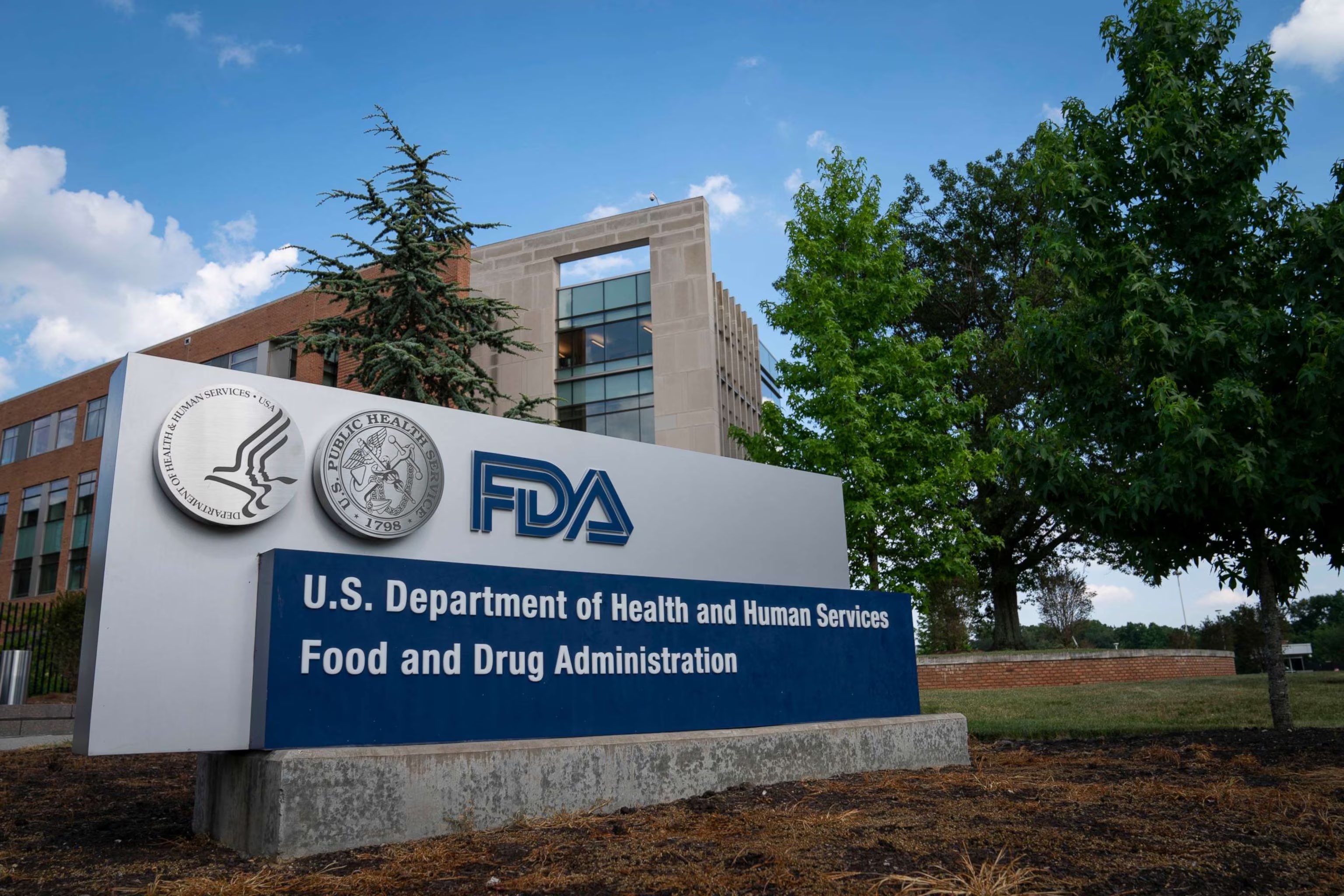
Between April and July 2026, the U.S. federal government took its most significant coordinated action on psychedelic medicine in more than fifty years: a presidential Executive Order, three expedited FDA review vouchers, two interagency agreements, final clinical trial guidance, new research funding, and a public hearing scheduled for September.
Below is a guide to what actually happened, what it means for the approval timeline, and what it means for the clinicians who will deliver this care — written for therapists, prescribers, and patients following the field closely.
Key Dates at a Glance
April 18, 2026
- April 18, 2026 - Executive Order 14401, Accelerating Medical Treatments for Serious Mental Illness
- April 24, 2026 - FDA issues National Priority Vouchers to Compass Pathways, Usona Institute, and Transcend Therapeutics
- July 13, 2026 - FDA final guidance on psychedelic clinical investigations; HHS–VA and FDA–VA agreements; NIDA and ARPA-H ibogaine funding
- July 14, 2026 - HRSA Request for Information on psychedelic training and care delivery models
- August 13, 2026 - Deadline for public comment on the HRSA RFI
- August 21, 2026 - Deadline to request to present at the FDA public hearing
- September 14, 2026 - FDA public hearing on future therapeutic use of psychedelic drugs
- October 5, 2026 - Deadline for written comments to FDA Docket No. FDA-2026-N-7542
- Q4 2026 - Compass Pathways targets completion of its COMP360 NDA submission
- H1 2027 - Anticipated COMP360 launch, subject to approval and rescheduling
What did the 2026 Executive Order on psychedelics do?
On April 18, 2026, President Trump signed Executive Order 14401, Accelerating Medical Treatments for Serious Mental Illness. It directs the FDA to prioritize review of psychedelic compounds, instructs the DEA and other agencies to reduce barriers to research, creates a pathway for eligible patients to access investigational psychedelics under Right to Try, and commits $50 million toward federal–state research collaboration with particular emphasis on ibogaine.
We covered the order and its clinical implications in depth in Psychedelics & the Path Forward: What the 2026 White House Executive Order Means for Clinicians and Patients.
What matters for this update is that every federal action since has cited EO 14401 as its authority. It converted psychedelic policy from a research question into an implementation mandate — and the implementation began in July.
What is an FDA National Priority Voucher, and who received one?
On April 24, 2026, the FDA issued Commissioner's National Priority Vouchers to three psychedelic development programs:
- Compass Pathways — psilocybin (COMP360) for treatment-resistant depression
- Usona Institute — psilocybin for major depressive disorder
- Transcend Therapeutics — methylone (TSND-201) for post-traumatic stress disorder
A National Priority Voucher shortens the FDA's standard new drug review from roughly ten to twelve months down to approximately one to two months.
For anyone trying to understand how quickly the treatment landscape could change, this is the single most consequential number in the policy picture. It compresses the window between "submitted" and "decided" from most of a year to a matter of weeks — which means preparation that would ordinarily happen during a long review period has to happen now.
Journey Clinical entered a research collaboration with Compass Pathways in 2024 specifically to inform care delivery for COMP360.
What happened on July 13–14, 2026?
Seven federal actions landed in roughly twenty-four hours. Psychedelic Alpha, the field's most-cited independent tracker, described it as most likely the busiest week in psychedelic drug development and policy to date.
1. The FDA finalized its clinical trial guidance. Psychedelic Drugs: Considerations for Clinical Investigations finalizes a draft first circulated in June 2023 and sets nonclinical, clinical, and safety expectations for psilocybin, LSD, MDMA, and related 5-HT2A receptor agonists. It directly addresses functional unblinding — the fact that trial participants almost always know whether they received an active psychedelic — which was central to the FDA's 2024 rejection of the Lykos MDMA application. The guidance invites sponsors to consider alternatives to inert placebo, including sub-perceptual doses of the study drug.
2. HHS and the VA signed a five-year Memorandum of Understanding. The renewable agreement commits both departments to increase veteran participation in clinical research, train therapists, nurses, physicians, and other clinicians to safely administer these treatments, collect and share real-world data on safety and cost, and develop clinical guidance for providers. The VA runs the largest integrated health system in the United States. This is a workforce and delivery commitment, not only a research one.
3. The FDA and the VA signed a second agreement on information sharing, so VA trial data and real-world evidence can inform FDA evaluation of these therapies.
4. NIDA awarded up to approximately $11 million for a multi-phase ibogaine study in opioid use disorder, led by Joji Suzuki, MD, of Mass General Brigham and Harvard Medical School. The grant funds a path toward Investigational New Drug clearance, a Phase 1 trial, and potentially Phase 2a. Ibogaine research effectively halted in the U.S. in the 1990s over cardiac arrhythmia risk, making this a meaningful reopening.
5. ARPA-H opened competitive funding for ibogaine in opioid use disorder, with an explicit mandate to explore how any resulting treatment could remain affordable and accessible.
6. HRSA issued a Request for Information titled Training and Care Delivery Models for Safe Administration of Potential FDA-Approved Psychedelic Therapies in Ambulatory Clinical Settings. It seeks input on workforce training, evidence-based care delivery models, and safe delivery in community settings including Federally Qualified Health Centers, Rural Health Clinics, and Certified Community Behavioral Health Clinics, with stated interest in reaching medically underserved communities.
7. The FDA scheduled a public hearing for September 14, 2026, on the potential future therapeutic use of psychedelic drugs.
Read together, these actions describe a government preparing an operational system, not merely funding science.
What does the current clinical evidence show?
Compass Pathways reported 26-week results from COMP006, its second Phase 3 trial, in July 2026. In a highly chronic treatment-resistant depression population, 39% of participants in the 25mg arm reached a clinically meaningful reduction on the Montgomery-Åsberg Depression Rating Scale (MADRS) by week 6 and sustained it through week 26, with two doses. Across two positive Phase 3 trials, COMP360 is the first classic psychedelic to demonstrate rapid onset, durability, and reproducibility in treatment-resistant depression.
Definium Therapeutics reported a placebo-adjusted MADRS difference of -8.1 points at six weeks in its Phase 3 trial of DT120, an LSD candidate for major depressive disorder, sustained at -7.3 points at twelve weeks.
The open questions researchers continue to raise are operational rather than mechanistic: how durability holds without redosing, and how a Risk Evaluation and Mitigation Strategy (REMS) program should be structured for supervised dosing.
For context on the evidence base behind currently available treatment, see our library of KAP research and our reviews of the evidence for depression, PTSD and trauma, and anxiety.
Why is pharmaceutical investment accelerating?
Capital moved decisively into the field in 2026:
- Eli Lilly is acquiring AtaiBeckley for up to $3.8 billion ($2.8 billion upfront plus milestones), centered on an intranasal 5-MeO-DMT candidate in Phase 3 — the largest psychedelic acquisition to date.
- Otsuka is acquiring Transcend Therapeutics for $1.225 billion for its methylone PTSD program.
- Definium Therapeutics raised $700 million in an upsized public offering in late June 2026.
- AbbVie acquired Gilgamesh's bretisilocin program for up to $1.2 billion in August 2025.
Per Psychedelic Alpha's financing tracker, Q2 2026 alone saw just over $1 billion raised across ten financing events — a record quarter.
The relevant question for patients and clinicians is not who is investing but what the investment buys. Capital at this scale funds manufacturing, REMS systems, payer negotiations, and clinician training programs. Those are the prerequisites for a treatment a patient can be referred to, insured for, and receive close to home.
What does this mean for therapists and patients?
For patients, nothing changes today. Psilocybin is not yet approved. Ketamine-assisted psychotherapy and esketamine (Spravato®) remain the legally available psychedelic-assisted treatments in the United States, and both require appropriate medical screening, supervised administration, and integration with psychotherapy. If you are considering treatment now, our guides on how to choose a psychedelic therapist and what treatment costs are the place to start.
For clinicians, the timeline matters. If a psilocybin approval arrives in 2027, the constraint on patient access will not be the evidence base and will not be capital. It will be the number of trained clinicians who know how to prepare a patient, hold a dosing session, and integrate the experience afterward — and the existence of care models payers will actually reimburse.
This is the work Journey Clinical has been building toward:
- A collaborative care model already built for supervised psychedelic treatment. Our collaborative care model separates and coordinates the two functions any supervised psychedelic treatment requires: medical eligibility, prescribing, and monitoring on one side, and the therapeutic relationship on the other.
- REMS experience under an existing federal framework. Our Spravato program has required us to solve REMS logistics, payer enrollment, and prescriber supervision — the same operational problems a psilocybin launch will present. See Spravato in Private Practice: What Therapists Need to Know.
- 1,000,000+ hours of psychedelic-assisted treatment delivered across the largest network of KAP providers in the country.
- A research collaboration with Compass Pathways established in 2024 to inform COMP360 care delivery.
- Insurance infrastructure already in place for medical consultations and psychotherapy. Check coverage.
Therapists considering this work can start with How to Become a Psychedelic Therapist in 2026, The Business of KAP, and the KAP Practice Calculator.
How can clinicians submit public comment?
Two federal comment windows are open, and both close soon.
HRSA Request for Information — comments due August 13, 2026. This one asks directly about clinician training and care delivery models in ambulatory settings. Submit through the Federal Register notice (document 2026-14146), which includes a formal comment link. Questions go to informationRFI@hrsa.gov.
FDA public hearing, September 14, 2026. Requests to present are due August 21, 2026 at 11:59pm ET, through the FDA hearing registration page. Written comments are due October 5, 2026 to Docket No. FDA-2026-N-7542. The FDA has stated that timely written comments are weighed equally with oral presentations, so presenting is not a prerequisite for being heard.
If the care model that emerges reflects only pharmaceutical and academic voices, it will be built without the clinicians who actually sit with patients. If you are a licensed therapist or prescriber with relevant experience, your comment carries weight no trade association filing can replicate.
Frequently Asked Questions
Is psilocybin FDA-approved in 2026?
No. Psilocybin is not FDA-approved for any psychiatric indication as of July 2026. Compass Pathways is completing a rolling New Drug Application for COMP360 in treatment-resistant depression, targeting Q4 2026 for final submission, with commercial launch anticipated in the first half of 2027 subject to FDA approval and DEA rescheduling.
When will psilocybin treatment be available?
If the FDA approves COMP360 and the DEA reschedules the compound, Compass Pathways anticipates commercial launch in the first half of 2027. Timelines depend on regulatory decisions that have not yet been made, and no approval is guaranteed.
What psychedelic-assisted treatments are legally available in the U.S. right now?
Ketamine-assisted psychotherapy, using ketamine prescribed by a licensed provider, and esketamine (Spravato®), which is FDA-approved for treatment-resistant depression and for major depressive disorder with acute suicidal ideation, and is administered under a REMS program in certified settings.
What is an FDA National Priority Voucher?
A program that shortens the standard new drug review timeline from approximately ten to twelve months to roughly one to two months. Three psychedelic programs received vouchers in April 2026: Compass Pathways, Usona Institute, and Transcend Therapeutics.
Did the federal government legalize psychedelics in 2026?
No. Executive Order 14401 accelerates research and FDA review and creates limited investigational access under Right to Try. It does not legalize psychedelics or change their scheduling status. Rescheduling is a separate DEA process that would follow FDA approval.
Will insurance cover psilocybin treatment?
Coverage decisions follow FDA approval and cannot be determined in advance. What is known is that supervised dosing models require reimbursement pathways for clinician time, not only for medication — which is why care delivery models are currently the subject of federal inquiry.
How can I train to offer psychedelic-assisted therapy?
Licensed mental health professionals can begin with ketamine-assisted psychotherapy, the most established and legally available modality. Journey Clinical provides training, prescriber support, and clinical infrastructure for therapists incorporating KAP into their practice. Learn about membership.
Related Articles
- Psychedelics & the Path Forward: What the 2026 White House Executive Order Means for Clinicians and Patients
- We Are at the Inflection Point for Psychedelic Medicine
- Toward a Shared Language for Psychedelic-Assisted Psychotherapy
- Journey Clinical and Compass Pathways Announce Research Collaboration
- What is Ketamine-Assisted Psychotherapy?
- How to Become a Psychedelic Therapist in 2026
- Spravato in Private Practice: What Therapists Need to Know
- Preparation and Integration for KAP
- KAP Library of Research (30+ articles)
- KAP vs. At-Home Ketamine vs. IV Ketamine vs. Spravato®
Following the field, and preparing for what's next
The federal government has now asked, in writing, how the healthcare system should prepare to deliver these treatments. Journey Clinical's network of licensed therapists and prescribers represents one of the largest bodies of real-world experience delivering psychedelic-assisted care in outpatient settings in the country — which is exactly the experience those agencies are requesting.
If you are a licensed therapist interested in this work, or a patient exploring treatment options available today, our care team can walk you through the process.
For Therapists | Find a KAP Therapist
This content is intended for informational purposes only and is not a substitute for professional medical advice. Regulatory timelines described here reflect publicly announced company guidance and federal notices as of July 2026 and are subject to change.
Sources
- The White House. Executive Order 14401, Accelerating Medical Treatments for Serious Mental Illness. April 18, 2026.
- U.S. Department of Health and Human Services. HHS & VA Announce Partnership to Advance Rapid-Acting Mental Health Treatments for Veterans. July 13, 2026.
- U.S. Food and Drug Administration. Psychedelic Drugs: Considerations for Clinical Investigations, Guidance for Industry. July 2026.
- Federal Register. Considerations for Potential Future Therapeutic Use of Psychedelic Drugs; Public Hearing; Request for Comments. Docket No. FDA-2026-N-7542.
- Federal Register. Request for Information: Training and Care Delivery Models for Safe Administration of Potential FDA-Approved Psychedelic Therapies in Ambulatory Clinical Settings. HRSA, July 14, 2026.
- U.S. Food and Drug Administration. Considerations for Potential Future Therapeutic Use of Psychedelic Drugs Public Hearing, September 14, 2026.
- Psychedelic Alpha. Keeping Up with the Feds: From FDA to HRSA, Washington Backs Psychedelics. July 2026.
- Psychedelic Alpha. Backed by $11M NIDA Grant, Harvard Moves Forward on Ibogaine for Opioid Use Disorder Research. July 2026.
- Compass Pathways. COMP006 26-week data press release. July 2026.
- Psychiatric Times. Positive Topline Results From Phase 3 Emerge Study of DT120 ODT in Major Depressive Disorder. June 2026