



A good candidate for ketamine-assisted psychotherapy (KAP) is typically someone experiencing depression, anxiety, or trauma-related symptoms; who is medically stable and willing to engage in structured psychotherapy alongside ketamine treatment. Eligibility must be determined by a trained medical professional through a comprehensive medical and psychiatric evaluation, taking into account all clinical contraindications.
Ketamine-Assisted Psychotherapy (KAP) combines medically supervised ketamine treatment with structured psychotherapy.
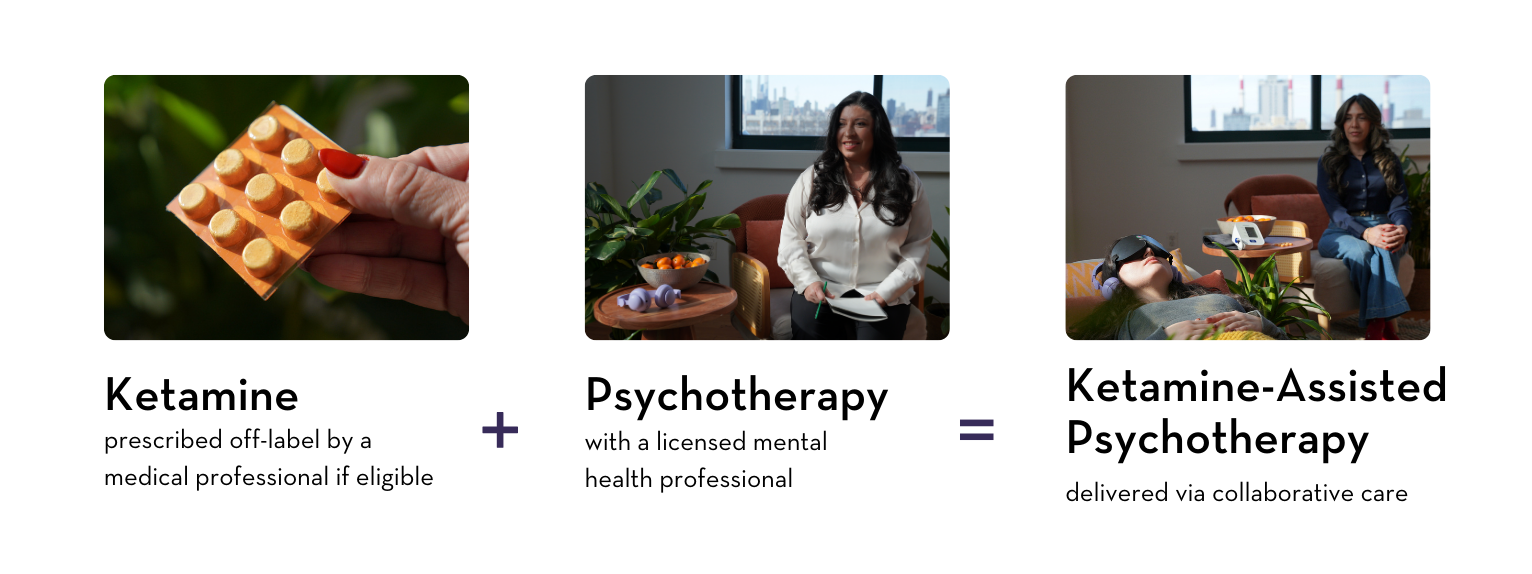
While ketamine has demonstrated rapid antidepressant effects in certain populations, not everyone is an appropriate candidate. Understanding candidacy requires evaluating both medical safety and psychological readiness. This guide outlines who may benefit from KAP; and when alternative approaches may be more appropriate.
Disclaimer: This content is intended for informational purposes only and is not a substitute for professional medical advice. Whether KAP is right for you is determined individually by a licensed clinician based on your full medical and psychiatric history.
What Determines Candidacy for KAP?
Candidacy is typically evaluated through a comprehensive intake consultation with a medical doctor (e.g. MD, PMHNP, PA, DO). It includes:
- Comprehensive psychiatric history
- Medical history
- Medication review
- Risk assessment
- Discussion of treatment goals
In addition, anyone interested in KAP at Journey Clinical:
- Must be 18+ years old
- Must be engaged in psychotherapy with a licensed mental health professional
- Must have an eligible diagnosis
KAP is not a one-size-fits-all intervention. It is most effective when delivered within a structured therapeutic framework and appropriate clinical oversight.
Who May Be a Good Candidate for KAP?
Conditions Commonly Evaluated for KAP Eligibility
Clinicians may evaluate ketamine-assisted psychotherapy for individuals experiencing:
- Depression (major depressive disorder & treatment-resistant depression)
- Anxiety
- PTSD and trauma-related conditions
- Obsessive-compulsive symptoms (OCD)
- Eating disorders (emerging evidence)
- Certain cases of bipolar disorder while other cases are not compatible (needs careful screening by a medical professional)
Eligibility is determined on a case by case basis by a medical professional after a full clinical evaluation (and at times additional medical clearances).
Want to learn more about KAP screening by condition? Read our full KAP for anxiety, KAP for depression and KAP for PTSD and trauma research-backed guides.
1. People with depression or treatment-resistant depression
KAP may be a good fit if you experience:
- Major depressive disorder (MDD)
- Persistent depressive disorder (dysthymia)
- Treatment-resistant depression (TRD)
- Postpartum depression and related mood disorders
- Seasonal affective disorder
- Depression related to trauma or grief
- Depression related to serious or chronic medical illness or existential distress
- Emotional numbness or anhedonia (loss of pleasure or interest)
- Bipolar depression (a population where standard antidepressants carry additional risks - ketamine's distinct mechanism may offer an alternative pathway in some cases)
- Passive thoughts of hopelessness or not wanting to be here, where clinically appropriate and with proper supervision
- Comorbid depression with anxiety and trauma
Learn more about KAP for depression in our research-backed guide.
2. People with anxiety
While the evidence base for anxiety is smaller than for depression, clinical trials and observational studies suggest ketamine may reduce anxiety symptoms, particularly when integrated with psychotherapy.
KAP may be helpful for some individuals with:
- Generalized anxiety
- Specific phobias
- Social anxiety
- Panic disorder
- Health anxiety
- Anxiety related to trauma
- Rumination or obsessive worry
- Anxiety resistant (or partially resistant) to medication or therapy
- Comorbid anxiety with depression and trauma
Because anxiety often involves entrenched cognitive and behavioral patterns, people may benefit from the increased emotional access and flexibility that some patients report during KAP.
Learn more about KAP for anxiety in our research-backed guide.
3. People with PTSD and trauma histories
KAP may be helpful if you experience:
- Post-traumatic stress disorder (PTSD)
- Complex PTSD (C-PTSD) or developmental trauma
- Trauma related to sexual violence, abuse, or neglect
- Combat or military-related PTSD
- First responder or occupational trauma
- Grief-related trauma or traumatic loss
- Medical trauma or trauma related to serious illness
- Identity-based or racial trauma
- PTSD resistant to medication or therapy
- PTSD with comorbid depression or anxiety
Research suggests ketamine may reduce PTSD symptom severity, particularly hyperarousal and intrusive symptoms. For example Feder et al. (2014, 2021) demonstrated reductions in PTSD symptoms following ketamine administration. KAP may be beneficial for trauma processing when delivered with trauma-informed psychotherapy. However, trauma complexity and stability must be carefully assessed before treatment. Individuals with severe dissociation, unstable symptoms, or insufficient psychological support may require stabilization first.
Learn more about KAP for PTSD and trauma in our research-backed guide.
4. Eating Disorders (Emerging Evidence)
There is growing but still developing research examining ketamine in:
- Anorexia nervosa
- Bulimia nervosa
- Binge eating disorder
Evidence remains preliminary and investigational, but some case series suggest ketamine may reduce comorbid depression and obsessive rigidity in eating disorder populations.
Candidacy must be evaluated carefully, especially in medically fragile individuals.
5. Individuals Seeking Structured Therapeutic Integration
KAP may be appropriate for patients who:
- Value psychotherapy as part of care
- Are willing to engage in preparation and integration sessions
- Are motivated to explore emotional or cognitive patterns
- Understand that ketamine is not a standalone cure
Because psychotherapy is embedded in KAP, engagement in the therapeutic process is essential.
6. Medically Stable Individuals
Candidates typically:
- Do not have uncontrolled hypertension
- Do not have unstable cardiovascular disease
- Are medically cleared by a prescribing clinician
- Do not have contraindicated medication interactions
A thorough medical screening is required before initiating treatment. Eligibility is determined on a case by case basis by a medical professional.
Who May Not Be a Good Candidate for KAP?
1. People with contraindicated psychiatric disorders
KAP is generally not recommended for individuals with:
- Active mania or mixed state
- History of primary psychotic disorder
- Active suicidal ideation or severe decompensation (e.g. where alternate setting is necessary for patient safety)
Each case requires individualized assessment by a qualified psychiatrist.
2. People with uncontrolled substance use disorders
Because ketamine has dissociative and psychoactive properties, caution is warranted in individuals with:
- Active substance misuse
- Recent addiction instability
- Poor impulse control
- On concurrent central nervous system depressants
Stability and recovery support should be established prior to consideration.
3. Individuals seeking only rapid relief without psychotherapy
KAP requires engagement in preparation and integration. Learn more about the psychotherapy aspect of treatment in our preparation and integration guide.
It may not be the best fit for individuals who:
- Do not wish to participate in psychotherapy
- Are seeking medication-only treatment
- Prefer minimal therapeutic involvement
Other ketamine delivery models (such as infusion-only protocols) may align more closely with that goal.
4. Individuals with certain medical contraindications
KAP may be deferred or avoided in cases of:
- Uncontrolled hypertension or some hypertensive conditions
- Severe breathing problems
- Uncontrolled glaucoma
- Other unstable medical conditions (e.g. recent traumatic injury or certain cardiovascular conditions etc.)
- Pregnancy
- Liver disease
- Cystitis
- Ketamine allergy or hypersensitivity
Medical screening determines safety.
Psychological Readiness Matters
Beyond diagnosis, readiness plays a critical role.
Good candidates for KAP typically:
- Have realistic expectations
- Understand that ketamine is not a guaranteed solution
- Are open to emotional processing
- Can tolerate temporary shifts in perception or dissociation
- Have a stable support system
In contrast, KAP may not be recommended if someone is in a state of crisis, unstable, or unable to make sound decisions; or if that person doesn’t have access to a supportive environment.
KAP involves altered states of consciousness. Emotional safety and preparation are essential.
When Additional Stabilization May Be Needed First
While KAP can be a helpful clinical intervention when appropriate; in some cases, clinicians may recommend first:
- Traditional psychotherapy
- Substance use treatment
- Medication adjustments
- Lifestyle adjustments
- Additional medical clearances
This course of treatment may be helpful to create stability before engaging with KAP.
Key Considerations for Ketamine-Assisted Psychotherapy Candidacy
In summary, candidacy for Ketamine-Assisted Psychotherapy (KAP) includes:
- Medical eligibility for ketamine
- Willingness to engage in psychotherapy (preparation and integration)
- Stable enough to benefit from treatment
- Supportive support system
In addition, your care team team will support you to develop;
- Psychological readiness for altered-state experiences
- Capacity for emotional processing
If you are interested to learn more about how ketamine-assisted psychotherapy works at Journey Clinical, read the full article on what to expect from KAP treatment.
Frequently Asked Questions
Is KAP safe?
When delivered under medical supervision with proper screening, ketamine has an established safety profile in clinical settings. However, candidacy must be determined individually.
Can anyone with depression try KAP?
Not necessarily. Individuals with certain psychiatric or medical conditions may require alternative approaches.
Is KAP appropriate for mild depression?
Yes. While KAP is often considered when symptoms are moderate to severe, persistent, or resistant to standard treatment, KAP can also be helpful with mild depression,
Final Considerations
KAP is not appropriate for everyone; and that is part of responsible, individualized care.
A thorough evaluation by licensed medical and mental health professionals determines whether Ketamine-Assisted Psychotherapy is clinically indicated.
For those who meet criteria and are ready to engage in both medical and therapeutic aspects of treatment, KAP may offer a structured, integrated approach to care.
Related Articles
- Ketamine-assisted psychotherapy (KAP) research (curated library of 30+ research articles)
- Doing KAP With Journey Clinical
- Preparation and Integration for Ketamine-Assisted Psychotherapy
- Understanding the Cost of Ketamine-Assisted Psychotherapy (KAP) at Journey Clinical
- Ketamine and the brain
- Ketamine-assisted psychotherapy (KAP) for anxiety
- Ketamine-Assisted Psychotherapy (KAP) for depression (research-backed guide)
- Ketamine-Assisted Psychotherapy (KAP) for PTSD and trauma (research-backed guide)
Client Education Resources
Wondering if Ketamine-Assisted Psychotherapy may be right for you?
Eligibility for KAP is determined through a comprehensive medical and psychiatric evaluation conducted by licensed clinicians.
→ Talk to a therapist and learn how KAP works at Journey Clinical