


This glossary defines key terms commonly used in ketamine-assisted psychotherapy (KAP), including clinical concepts related to treatment structure, therapeutic process, and patient experience.
What is Ketamine-Assisted Psychotherapy (KAP)?
Definition:
Ketamine-assisted psychotherapy (KAP) is a clinical treatment model that combines the administration of ketamine with structured psychotherapy to support psychological, emotional, and relational change. It is considered part of the broader field of psychedelic-assisted psychotherapy, which uses altered states of consciousness to support therapeutic work.
Clinical explanation:
KAP integrates a pharmacological intervention (ketamine) with psychotherapy delivered across preparation, dosing, and integration phases. Preparation sessions help establish safety, intention, and therapeutic alignment. Dosing sessions introduce an altered state that may increase emotional access and cognitive flexibility. Integration sessions support the translation of these experiences into daily life.
This combined approach is thought to enhance therapeutic outcomes by pairing ketamine’s rapid neurobiological effects with structured psychological support. Within this model, psychotherapy plays a central role in shaping and sustaining therapeutic change.
Why it matters in KAP:
KAP differs from medication-only approaches by positioning psychotherapy as essential to the treatment process. The combination of ketamine’s effects with structured therapeutic support may help patients engage more deeply in emotional processing, develop new perspectives, and translate insights into lasting psychological, behavioral, and relational change.
→ Learn more: What is Ketamine-Assisted Psychotherapy (KAP)
What is Journey Clinical’s Collaborative Care Model in Ketamine-Assisted Psychotherapy (KAP)?
Definition:
Collaborative care in ketamine-assisted psychotherapy refers to a coordinated model in which medical providers and psychotherapists work together to deliver treatment.
Clinical explanation:
In this model, the medical team is responsible for medical clearance, treatment planning, ketamine prescribing, and ongoing outcome monitoring. The psychotherapist provides psychotherapy including preparation and integration sessions. While dosing sessions may happen in the therapist office or at home via telehealth, the medical team is always on call and available for support. This coordination ensures that both biological and psychological aspects of care are addressed.
Why it matters in KAP:
KAP integrates pharmacotherapy and psychotherapy, requiring alignment between medical and therapeutic providers to ensure safety, continuity, and effectiveness of care.
→ Learn More: The Power of Collaborative Care in Ketamine Assisted Psychotherapy: A Research-Backed, Ethical Approach
What is Therapeutic Alliance in Ketamine-Assisted Psychotherapy (KAP)?
Definition:
The therapeutic alliance is a collaborative working relationship between patient and therapist that supports trust, safety, and effective therapeutic work.
Clinical explanation:
According to the American Psychological Association (APA), the therapeutic alliance is considered a core component of successful psychotherapy. In KAP, this relationship helps create a safe and supportive container for patients to engage with emotionally meaningful material.
Why it matters in KAP:
A strong therapeutic alliance supports psychological safety, reduces anxiety prior to dosing, and provides a relational framework through which patients can process and integrate their experiences into lasting emotional, behavioral, and relational change.
→ Learn More: Why Psychotherapy Matters in Psychedelic Therapy: The Role of the Therapeutic Alliance
What is “Set and Setting” in Ketamine-Assisted Psychotherapy (KAP)?
Definition:
Set and setting refer to the internal psychological state (“set”) and external therapeutic environment (“setting”) that shape a patient’s experience during ketamine-assisted psychotherapy.
Clinical explanation:
In KAP, “set” refers to the internal psychological state of the individual entering the experience, including emotional state, expectations, intentions, beliefs, fears, personality traits, and psychological preparation. “Setting” refers to the external therapeutic environment, including the treatment space, sensory conditions such as lighting and music, the presence of supportive clinicians, and the broader therapeutic framework surrounding the session.These factors influence how patients experience and interpret treatment.
Why it matters in KAP:
Clinical research suggests that psychological and environmental context can influence how individuals process and integrate altered states. In KAP, clinicians intentionally structure set and setting to support therapeutic outcomes.
→ Learn more: Set & Setting in ketamine-assisted psychotherapy (KAP)
What are Preparation Sessions in Ketamine-Assisted Psychotherapy (KAP)?
Definition:
Preparation sessions are psychotherapy sessions conducted before ketamine administration to set intentions, build safety, and prepare for the treatment experience.
Clinical explanation:
During preparation, patients and therapists discuss intentions, emotional readiness, expectations, and any concerns. The purpose of “preparation” is to help patients enter the experience with psychological safety, informed consent, and internal resources to navigate non-ordinary states of consciousness. It creates the conditions in which the patient’s innate capacity for insight, emotional processing, and self-regulation can emerge.
Why it matters in KAP:
Preparation supports psychological safety, strengthens the therapeutic alliance, and improves the ability to engage meaningfully with the treatment experience.
→ Learn More: Preparation & Integration for ketamine-assisted psychotherapy (KAP)
What are Dosing Sessions in Ketamine-Assisted Psychotherapy (KAP)?
Definition:
Dosing sessions are clinical sessions in which ketamine is administered in a controlled setting with therapeutic support.
Clinical explanation:
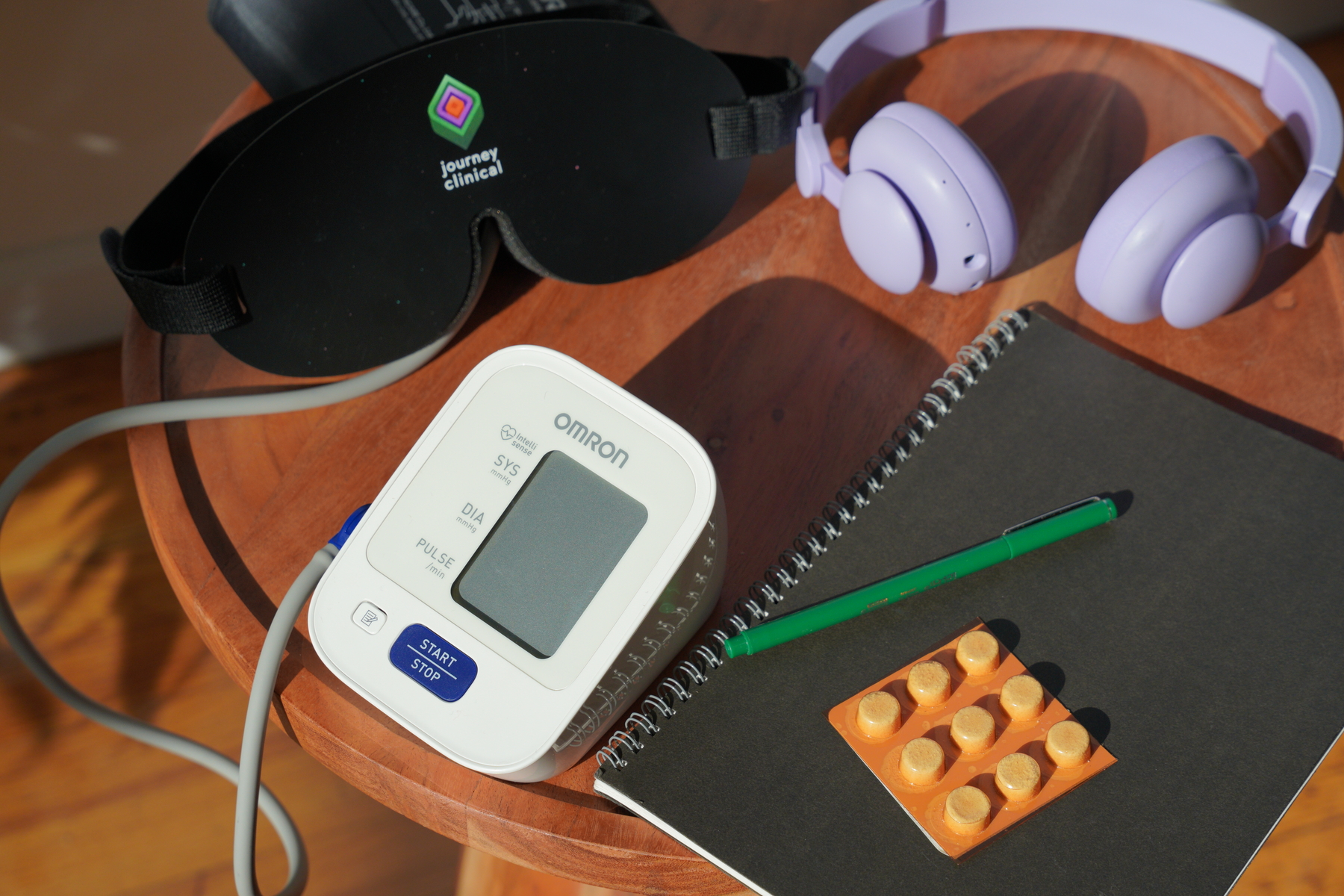
In KAP, dosing sessions typically last between 1–3 hours and may take place in-person or via telehealth, depending on the treatment model. Patients are usually in a comfortable, reclining position, often wearing an eye mask and listening to music to support an inwardly focused experience.
Although the session is largely internal, a trained therapist remains present throughout to provide support and maintain a safe therapeutic environment. The medical team is also available as needed. During the session, patients may experience changes in perception, visual imagery or dream-like scenes, emotional insights, shifts in perspective, relaxation, or temporary dissociation.
Why it matters in KAP:
The dosing session is the primary experiential component of KAP. The inward, supported nature of the experience may allow patients to access emotional material, recognize patterns in thoughts and behaviors, and engage more deeply in subsequent therapeutic work.
→ Learn More: Watch a full KAP dosing session video
What is the “Window of Neuroplasticity” in Ketamine-Assisted Psychotherapy (KAP)?
Definition:
The window of neuroplasticity refers to a temporary period following ketamine administration during which the brain may be more adaptable to learning, emotional processing and psychological change.
Clinical explanation:
This period is associated with neurobiological changes such as increased synaptogenesis, enhanced glutamatergic signaling, and altered functional connectivity (Duman et al., 2012; Sanacora et al., 2017). In KAP, clinicians aim to use this window to support emotional processing and cognitive flexibility within psychotherapy.
Why it matters in KAP:
This window may enhance the effectiveness of psychotherapy by allowing patients to engage with new perspectives and behavioral patterns.
→ Learn More: Ketamine and the Brain
What are Integration Sessions in Ketamine-Assisted Psychotherapy (KAP)?
Definition:
Integration sessions are psychotherapy sessions that take place after ketamine dosing to help patients process and apply insights from their experience.
Clinical explanation:
According to Psychedelic Harm Reduction and Integration: A Transtheoretical Model for Clinical Practice “the goal of integration is to merge the psychedelic experience with the patient's daily life in a way that helps the patient live a fuller life with less distress.” During integration, patients gradually reflect on thoughts, emotions, and imagery that emerged during treatment. Therapists support patients in translating these experiences into coherent understanding and meaningful psychological and behavioral changes.
Why it matters in KAP:
Integration helps ensure that experiences during dosing sessions contribute to sustained improvement, rather than remaining isolated or difficult to interpret.
→ Learn More: Preparation & Integration for ketamine-assisted psychotherapy (KAP)
Frequently Asked Questions
What is ketamine-assisted psychotherapy (KAP)?
Ketamine-assisted psychotherapy is a treatment model that combines ketamine administration with structured psychotherapy, including preparation and integration sessions.
What does “integration” mean in KAP?
Integration refers to the psychotherapy process of making sense of and translating insights from ketamine sessions to daily life.
What is set and setting in KAP?
Set and setting refer to the internal mindset and external environment that shape how treatment is experienced.
Is psychotherapy required in KAP?
Yes. Psychotherapy is a defining component of ketamine-assisted psychotherapy.
Is KAP the same as ketamine therapy?
No. KAP specifically includes psychotherapy, while ketamine therapy may refer to medication-only approaches.
Related Articles
- Ketamine-assisted psychotherapy (KAP) research (curated library of 30+ research articles)
- Understanding the Cost of Ketamine-Assisted Psychotherapy (KAP) at Journey Clinical
- Doing KAP With Journey Clinical
- Ketamine treatment options (KAP vs. IV vs. Spravato vs. at-home ketamine)
Client Education Resources
For Therapists
Ready to bring ketamine-assisted psychotherapy (KAP) into your practice? Learn how Journey Clinical supports licensed therapists with the clinical infrastructure, prescriber network, insurance coverage, community and ongoing training you need to offer KAP with confidence.Book a Demo →
For Patients
Looking for a KAP therapist near you? Browse our network of trained, licensed therapists offering ketamine-assisted psychotherapy across the country.Find a Therapist →