


There's a moment that comes up again and again in psychedelic therapy sessions.
A patient - exhausted by years of depression, anxiety, or trauma - closes their eyes, and somewhere in the experience, finds themselves not just feeling better, but feeling part of something. Part of the trees outside the window. Part of the hum of the planet. Part of life itself.
It sounds poetic. But it's also documented, reproducible, and therapeutically significant.
This Earth Month, we explore what ketamine-assisted psychotherapy (KAP) has to teach us about our relationship with the natural world; and why reconnecting with nature may be one of the most underappreciated pathways to support lasting mental health.
New to KAP? Start here →
We've Drifted Away From Nature. Yet We Still Carry It Within Us.
Somewhere along the way, we stopped thinking of ourselves as part of nature. We moved indoors, onto screens, into schedules. And quietly, without most of us noticing, something essential got lost.
The research is unambiguous: time in nature reduces cortisol, lowers blood pressure, and measurably improves mood. Studies show just 20 minutes in a natural setting meaningfully lowers stress hormone levels. [University of Michigan, 2019] Ninety minutes of walking in nature reduces activity in the brain regions most associated with rumination - the repetitive negative thought loops at the core of depression and anxiety. [Stanford, 2015] The Japanese practice of shinrin-yoku (forest bathing) has been shown to lower blood pressure, boost immune function, and reduce anxiety and depression symptoms after a single session. [NIH]
Yet even as we've drifted, nature hasn't left us. It runs through our biology, our rhythms, our breath. We feel its absence precisely because we are made of it. And that recognition — that nature isn't something outside us to return to, but something inside us to remember — is at the heart of what psychedelic-assisted therapy is revealing.
What Psychedelic Therapy Reveals About Connection
One of the most consistent findings across psychedelic therapy research -from Johns Hopkins to NYU to Imperial College London - is that these medicines reliably produce experiences of interconnectedness. Patients describe a felt sense that the boundary between self and world is more permeable than it normally appears.
In neuroscientific terms, this is partly explained by changes in the default mode network - the brain region associated with self-referential thinking, rumination, and the defended sense of a separate self. As one Journey Clinical KAP provider describes it, "the way that we see ourselves and see the world shifts" when that network quiets during a session. Learn more about how KAP affects the default mode network.
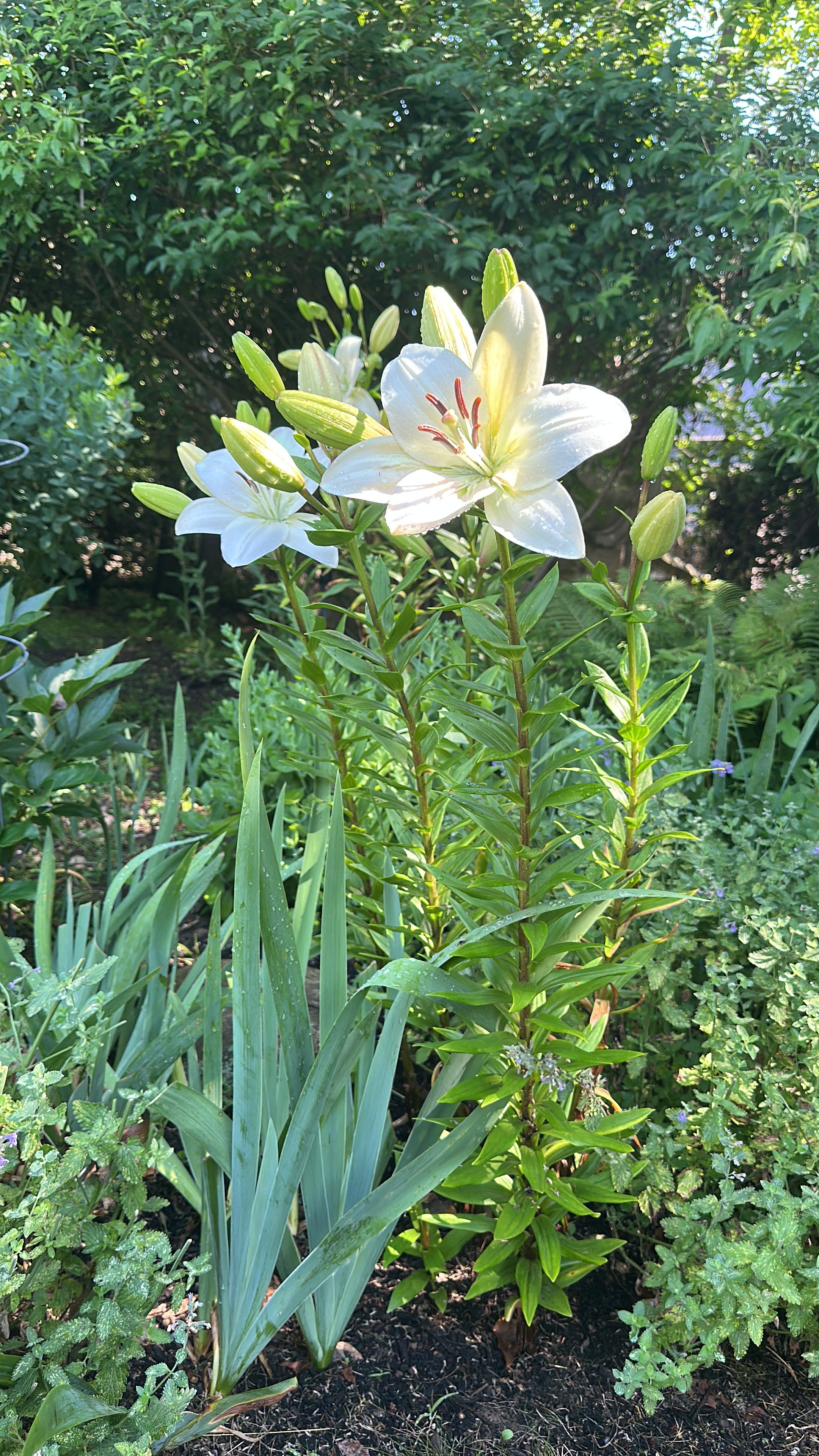
What's striking is how often the resulting experience of interconnectedness specifically includes the natural world. Patients describe feeling the aliveness of trees. Sensing something generous in a garden. Being moved, for the first time in years, by the sky. This isn't poetic license. It's a documented therapeutic outcome: increased awe, decreased existential isolation, a renewed sense of meaning and belonging.
Environmental philosopher Arne Næss called this expanded sense of self the "ecological self" — the recognition that who we are doesn't end at our skin, but extends into the living systems around us. It's a concept that healers across cultures have understood long before modern science caught up. As Journey Clinical KAP provider Ari Borinsky notes, it's essential "to remember and give respect and credit to everyone who came before us — native healers, psychedelic assisted therapists, and other people who have used psychoactive substances for therapeutic purposes for a long time."
Nature as Preparation and Integration Spaces
At Journey Clinical, every KAP treatment follows a structured preparation → dosing → integration protocol — because what happens around the session is just as important as the session itself. Nature can be a powerful presence in each of those phases.
Before a session, time spent outdoors helps patients move from cognitive overdrive into the body. As Journey Clinical's Clinical Advisor Lauren Taus puts it, "Preparation is the start of the relationship... the most essential ingredient to all of the work that we do as therapists is relational." A slow walk, sitting outside, noticing the sensory texture of the living world; these practices activate the parasympathetic nervous system and establish presence. That grounded state carries into the therapeutic work.
After a session, integration is where transformation can become durable. The neuroplasticity window opened by KAP offers a unique opportunity to establish new patterns of perception and meaning-making. For many patients, intentional time in nature during this window deepens and anchors what emerged in session. Journey Clinical provider Lorna Busch who hosts KAP retreats describes her vision of her space as "a peaceful sanctuary where people can engage in meditation and connect with the natural world before and after their KAP sessions" - a vision that speaks to something many in the KAP community are moving toward.
Practical Ways to Reconnect After a Session
Integration looks different for every patient. Here are nature-based practices that therapists in the Journey Clinical network have found meaningful during the integration phase:
Slow walks without devices. Twenty to thirty minutes of unhurried walking in a park or natural setting - ideally within the first few days after a session - with attention on sensory experience rather than destination. What do you hear? What does the air feel like? What's alive around you?
Tending to living things. Watering plants, gardening, or caring for animals engages the same relational quality that KAP experiences often evoke. It's a practice of paying attention to something beyond yourself; and discovering that doing so feels nourishing.
Outdoor sitting practice. Bringing formal mindfulness into a natural setting. Allowing sounds, light, and wind to become part of the meditative field rather than distractions from it.
Journaling outside. Processing session insights while physically outdoors can help bridge what was experienced internally with the world the patient is returning to. Sometimes the right insight arrives when you're sitting under a tree rather than at a desk.
Noticing what moves you. One of the most durable shifts patients report after KAP is a renewed capacity for awe. Earth Month is a good time to follow that thread wherever it leads.
Earth Month as an Invitation to Remember
Earth Month is an invitation to remember that we live on a planet, that the air we breathe is produced by forests, that the water in our bodies fell as rain.
Psychedelic-assisted therapy, at its most profound, delivers the same reminder. Not as an idea but as a direct experience - felt in the body, not only understood by the mind. At time, patients describe it as "coming home" - not to a place, but to a relationship to the self and to nature they didn't know they'd lost. When the defended, isolated self softens — when it remembers it was never actually alone — the world it opens into has leaves. It has seasons. It breathes.
We were never separate from it. We just forgot.
...Ketamine-assisted psychotherapy (KAP) retreat sites in nature...
FAQs
Can psychedelic therapy actually change how I relate to nature?
Research and clinical experience both suggest yes. Many patients report a shift in how they experience the natural world — increased awe, a felt sense of belonging, and a reduced sense of existential isolation — as one of the more durable outcomes of psychedelic-assisted therapy.
What is ketamine-assisted psychotherapy (KAP)?
KAP is a therapeutic approach that combines ketamine treatment with structured psychotherapy — including preparation, dosing, and integration sessions — guided by a licensed mental health professional. Learn more about KAP →
What is the default mode network and why does it matter for KAP?
The default mode network (DMN) is the brain region associated with self-referential thinking and rumination. KAP temporarily quiets DMN activity, which is associated with experiences of interconnectedness and expanded perspective that patients commonly report. Learn more about how KAP works →
What is integration and why is it important after a KAP session?
Integration is the therapeutic work that happens after a dosing session — processing insights, anchoring new perspectives, and translating what emerged into daily life. At Journey Clinical, every KAP treatment includes dedicated integration sessions with a licensed therapist. Read our full preparation and integration guide →
How do I know if KAP is right for me?
KAP may be a good fit if you're living with depression, anxiety, or PTSD and feel like you've hit a wall with other treatments. Eligibility is determined by a medical professional after a full intake consultation.
Are you a therapist interested in offering KAP?
Journey Clinical provides licensed therapists with the full medical infrastructure, training, and community to add KAP to their practice. Learn about our therapist platform →
For patients:Ready to explore whether KAP is right for you? Browse our directory of psychedelic therapists
For therapists:Want to bring KAP into your practice? Learn About Our Therapist Platform →
If this resonated, share it with someone who needs to hear it. 🌿