


Lately, more people have been reaching out with a version of the same question: I feel called to this work, but I don’t know where to start. How do I choose the right medicine? There’s a sincerity in that question that I don’t take lightly. It’s usually not just curiosity—it’s something that has been building for a while. A sense of being stuck, or a quiet knowing that something deeper is ready to be addressed. And while there’s certainly been a broader cultural shift—more visibility, more research, even policy conversations and renewed attention connected to figures like Donald Trump and joe Rogan—what I often find myself thinking in these conversations is that this work didn’t begin here. These medicines have long histories, both in clinical research and in Indigenous healing traditions that have held them with care and reverence for generations. What’s changing now is access, language, and our collective willingness to turn toward them.
It’s Not About the “Best” Medicine
When people ask which medicine is “best,” I gently reframe the question. In practice, this isn’t about choosing the strongest or most profound experience. It’s about alignment. What are you seeking right now? Relief from depression? A new relationship to trauma or your body? A sense of connection—to yourself, to others, to something larger? Your intention doesn’t need to be perfectly formed, but it does matter. It becomes a kind of compass. Some people come in with very clear intentions, while others simply feel that something needs to shift. Both are valid starting points, but different medicines tend to meet those intentions in different ways, and at different depths.
Why I Often Start with Ketamine
For many people—especially those newer to this work—I often begin the conversation with ketamine. Not because it’s inherently better, but because it can be a more accessible and contained entry point. Ketamine is legal in a medical context when clinically indicated, which removes a layer of complexity right away. It’s also shorter-acting and allows people to remain on many of the medications they have been taking. Ketamine also creates a sense of space from usual patterns—just enough distance to observe thoughts and emotions differently without becoming overwhelmed by them. I often think of it as a threshold experience, a way of stepping into non-ordinary states of consciousness while still feeling anchored. For some, that’s the beginning of a longer journey; for others, it becomes a meaningful therapeutic modality in its own right.
Other Medicines, Other Doors
Other medicines open different doors. Psilocybin, for example, tends to be more immersive and introspective, often softening rigid identity structures and increasing emotional and relational openness. In places like Oregon, it’s now available in regulated service center settings, while in other areas it remains decriminalized but not formally legal. MDMA, although not a classic psychedelic, has shown remarkable promise in trauma work because of its ability to enhance feelings of safety and reduce fear responses, allowing people to approach difficult material in a very different way. And then there are plant medicines like ayahuasca, often accessed in ceremonial settings connected to Indigenous traditions in regions such as Amazon Basin. These experiences can be powerful and, at times, intense, and they tend to ask more of the individual in terms of preparation,
surrender, and respect for the context in which they are held.
The Container Matters as Much as the Medicine
This is where I want to slow things down, because in my clinical work, the medicine itself is only one part of the equation. The container—the therapeutic, relational, and environmental support around the experience—is just as important, if not more so. I’ve seen people have meaningful, life-changing experiences with relatively gentle medicines because they were well prepared and well supported. I’ve also seen people struggle after powerful experiences that weren’t adequately held or integrated. Preparation and integration are not add-ons; they are essential parts of the process. Preparation helps you clarify intention, understand what might arise, and build internal resources so that when the experience opens, you have some capacity to stay with it. Integration is where the work actually takes root—where insights are translated into lived change, where patterns are understood in context, and where meaning is made over time rather than in a single moment.
Pacing, Readiness, and Safety
A strong therapeutic container also allows for something that is sometimes overlooked in the excitement around these medicines: pacing. Not everything needs to happen at once. In fact, it usually shouldn’t. There is a way in which this work unfolds, and when it’s done thoughtfully, it builds rather than overwhelms. This is particularly important when there is a history of trauma, complex mental health concerns, or a nervous system that is already carrying a lot. In those cases, choosing a medicine is less about intensity and more about what can be metabolized safely and meaningfully.
A More Useful Question
So if you find yourself at the beginning of this process, wondering which direction to go, I would gently shift the question from What is the right medicine? to What is the right next step for me, given where I am right now? For many people, that step is starting in a setting that prioritizes safety, relationship, and integration—often with ketamine as an entry point, but not always. For others, it may involve retreat work or ceremonial settings, ideally with careful screening and support before and after. There isn’t a single path, but there are wiser and less wise ways to begin.
Closing Thoughts
What I’ve come to appreciate over time is that these medicines are not solutions in and of themselves. They are amplifiers, opening space to encounter what is already there. When approached with care, intention, and the right support, they can be deeply healing. But it’s the combination of the medicine, the container, and the integration that allows that healing to last. And that process—more than any single experience—is where real change begins to take shape.
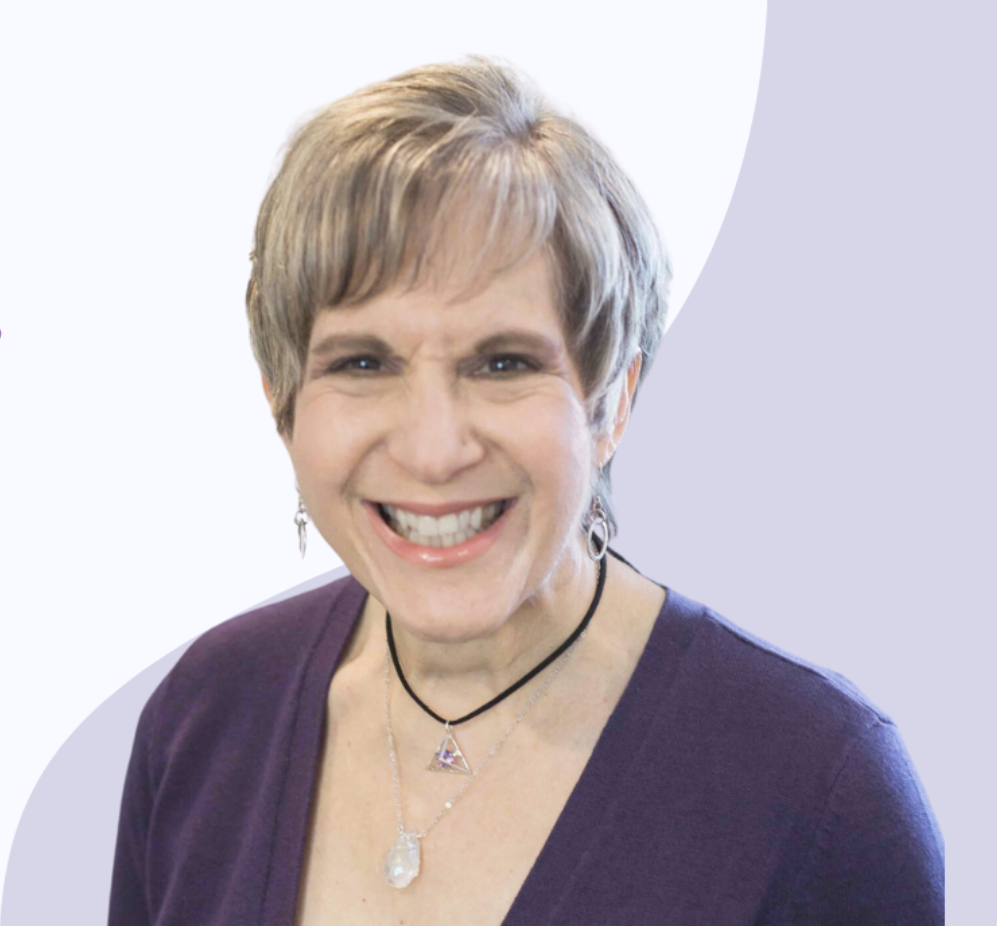
Heidi J. Dalzell, PsyD, is a Licensed Clinical Psychologist, specializing in and trauma and eating disorders. She has 30+ years of direct clinical experience. Dr. Dalzell is the founder of Sedona Integrative Therapy. This busy private practice specializes in eating disorders, trauma and working with the LGBTQ community. Particular areas of interest include non-ordinary states, psychedelic medicines and mid-life eating disorders. Dr. Dalzell is also certified in eye movement desensitization and reprocessing, which has applications to trauma, eating disorders/body image, addiction and mood disorders.
Dr. Dalzell has kept at the forefront of knowledge in the field of psychedelic medicine. She has led and participated in activities to help clients reach non-ordinary states of consciousness (breathwork, drumming, meditation). Dr. Dalzell is certified in Psychedelic Assisted Psychotherapy through the Integrative Psychiatry Center. She is also a trained psychedelic sitter/guide, having completed coursework through the Guiding Presence.
Dr. Dalzell has presented nationally and internationally on topics connected to mental health, wellness and her biggest passion psychedelic-Assisted therapy.